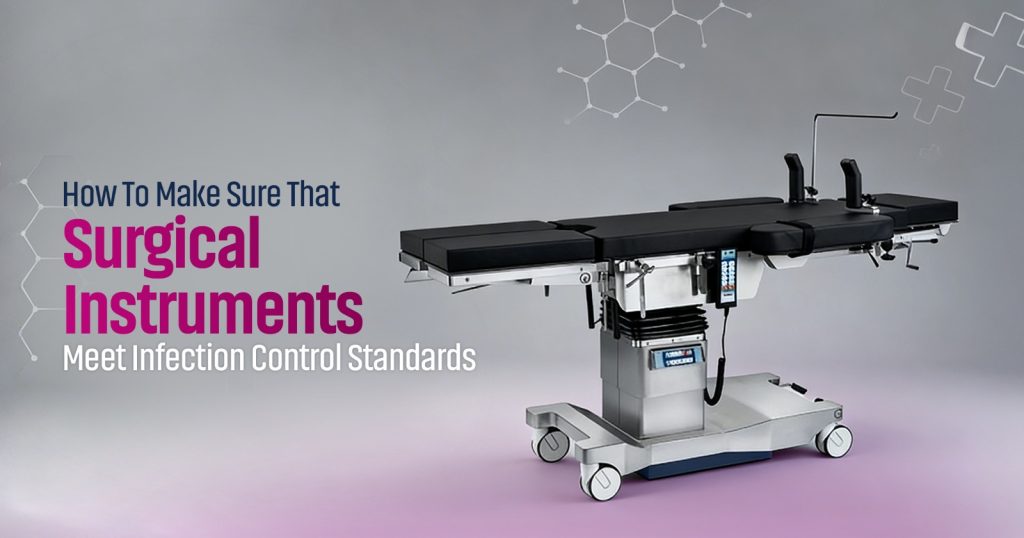
In modern healthcare, adhering to strict infection control standards isn’t just a recommendation. It’s a necessity that is non-negotiable. All treatment centres, including hospitals, clinics and surgical centres, must make sure that all tools and equipment are free from pathogens before the procedure. This supports the patient as well as the medical staff. Working with recognised surgical instruments suppliers in Dubai is very important, as instruments of higher quality are easier to clean, maintain and sterilise, making hospitals more effective.
Deeper Dive Into Infection Control Standards
As the name suggests, infection control standards are created to prevent healthcare-associated infections (HAIs). These standards describe how medical instruments must be cleaned, sterilised, handled and stored. Regulatory bodies like the World Health Organisation (WHO) provide strict guidelines for sterilisation. They explain the process, the type of equipment to be used for sterilisation, appropriate cleaning solutions and even the protocols for handling the equipment after the procedure. To eliminate the chances of cross-contamination and maintain patient safety, these standards have to be followed.
Effective Cleaning And Decontamination
The first step to be taken towards infection control is cleaning. Surgical instruments are mostly in contact with blood, tissues and other bodily fluids, making them a risk. Here, immediate decontamination is required. Instruments must be rinsed properly and cleaned up with appropriate detergents. To remove particles from areas that are hard to reach, most healthcare professionals go for ultrasonic cleaners. All instruments must be free from any residue before the sterilisation process.
The staff conducting the procedure must be well-trained in proper instrument handling techniques. They must wear protective gloves for protection and use a brush or other tools to clean the instruments without damaging them. While effective cleaning will protect the patient, it also increases the lifespan of the surgical instruments, as this will reduce long-term costs for repair and replacement.
Techniques For Sterilization
The surgical instruments must be sterilised after the cleaning process. Some of the most common techniques are:
Autoclaving: This method kills off viruses, bacteria and spores with the use of high-pressure steam.
Chemical sterilisation: This method uses chemical solutions like ethylene oxide to sterilise instruments that are sensitive to heat.
Dry heat sterilisation: This method is suitable for metal instruments that can handle high temperatures without getting damaged.
Each method has its own benefits. The type of instrument and the material it is made of will determine the choice. The sterilisation process must be followed consistently to receive 100% effectiveness. There must also be monitoring indicators in place to make sure that the instruments have been properly sterilised.
Proper Storage And Handling
After the sterilisation process is completed, the instruments must be stored in a sterile package or container until their next use. The area used for storage must be clean, dry and free from contaminants. The staff must only handle the instruments when required and use clean gloves while doing so to prevent exposure to bacteria and other pathogens.
The instruments must be inspected regularly. Damaged and rusted instruments will ruin the sterilisation process. They must be repaired or replaced immediately.
Adequate Training For Staff
Human error can compromise all these processes, even with the best instruments and sterilisation techniques, making staff training essential. Constant training, especially for surgical staff and technicians, is important to help them adhere properly to protocols. Routine audits and refresher courses will help in maintaining consistency.
Maintaining Safety In Practice
High-quality instruments, proper cleaning, precise sterilisation, safe storage and well-trained staff are all needed to make sure that the surgical instruments meet infection control standards. Partnering with well-established surgical instruments suppliers in Dubai will provide easy access to instruments that are made for compliance in hospitals and clinics. This will hgprotect the patients, improve surgical outcomes and maintain the reputation of the practice.