Have you ever stood in front of a mirror, wondering why your effort doesn’t seem to match the results you expected? You skip desserts, wake up early for walks, drink more water, yet progress feels invisible. The frustration isn’t always about weight. It’s about not knowing whether you’re truly moving forward.
Diet journeys often fail not because of a lack of discipline, but because of a lack of clear measurement. When progress feels uncertain, motivation slowly fades. This is where a simple yet powerful tool, a height-weight scale, quietly becomes your most honest companion.
Why Monitoring Progress Matters More Than Motivation
When starting a diet, people are often excited about the prospect of losing weight. The first week is filled with enthusiasm; the second week is full of challenges; and by the third week, doubt begins to set in. Your brain will assume that no changes are happening without any measurable feedback (even if you are internally improving your body).
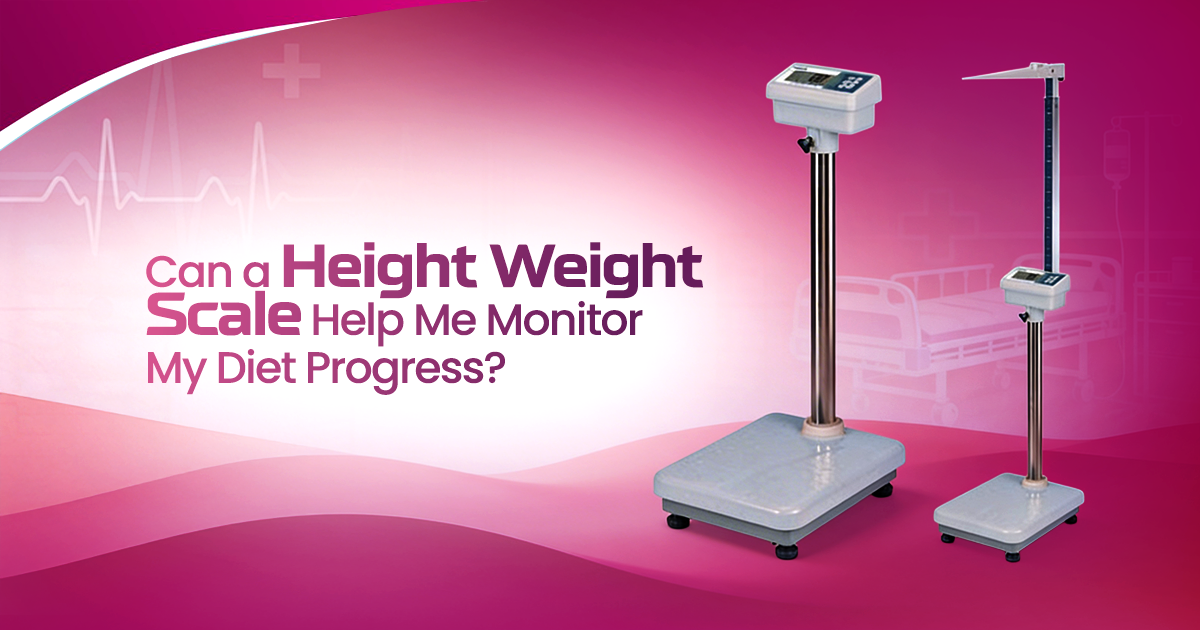
A height/weight scale does more than simply record numbers; it helps you see patterns. Are you gaining muscle? Losing weight slowly? Maintaining a healthy body mass index? These insights turn dieting from an emotional guessing game into an actual decision-making process.
Beyond Weight: Understanding the Bigger Picture
Once you can see these patterns, instead of asking the question, ‘Is this diet working?’, you can start asking the question, ‘What changes can I make to improve my results?’ What you need to ‘see’ once you have successfully lost weight is not just the number on your scale; it is how much weight you have lost in relation to your body composition and height. This means that your weight is only a small part of how healthy you are. For example, two people may both weigh 180 pounds, but one person may be very healthy and fit while the other person may be unhealthy and out-of-shape based on his or her height and body composition. The best way to track both your height and your weight is to use a combination of both measurements. Using both together provides you with valuable information about:
- Setting realistic goals for your health.
- Monitoring gradual improvements over time.
- Avoiding extreme diets.
- Keeping a consistent, long-term commitment to maintaining your weight loss.
Because of the growing popularity of height/weight monitoring tools, many healthcare professionals are recommending that you use these tools when attempting to lose weight. That’s why numerous height/weight scales are making their way into homes and wellness centres through medical equipment suppliers in Dubai.
The Psychological Advantage of Measurable Progress
One overlooked benefit of using a height-weight scale is emotional reassurance. Progress is not always visible daily, but numbers reveal trends over time. Seeing small improvements, even minor ones, builds confidence!
When you measure consistently:
- You celebrate small wins.
- You stay accountable.
- You reduce anxiety around food choices.
Instead of punishment, dieting becomes a process of learning about your body.
How Often Should You Use a Height-Weight Scale?
Most individuals mistakenly weigh themselves numerous times each day, which can generate stress due to body weight being variable from day to day, from factors including hydration levels, sleep patterns and hormonal changes. Experts advise:
- Weigh yourself once or twice weekly.
- Weigh yourself consistently at the same point every day.
- Track your results over several months rather than several days.
The measurement of body weight is about being consistent rather than frequent. Trends will provide a much more accurate view of your body weight than constant weighing.
Choosing the Right Scale for Accurate Results
There are many types of scales available today; some may be better than others for accuracy and reliability, and how long they will last, especially if you use them regularly (like at home or in a gym/clinic, etc.). A quality product will produce reliable results so you can make educated decisions about your health.
Many professionals who work in the wellness field prefer to buy their devices from established medical equipment suppliers in Dubai. This is because all certified medical equipment trading Dubai must meet requirements for providing accurate data within the context of healthcare. Items to look for when choosing a height/weight Scale Include:
- Stability
- Readability
- BMI
- Durability
- Calibration
By choosing an accurate scale, you can feel confident about tracking your progress and developing trust in that type of tracking for yourself
Conclusion
Do you ever feel like you’re doing everything right but still not seeing the results you hoped for? The solution may not lie in changing your diet once again; it could simply be about how effectively you track your progress. A height-weight scale gives you clearer insight into your journey, offering direction, accountability, and a meaningful reason to stay consistent. Today, many individuals and wellness professionals depend on accurate tools sourced through medical equipment trading Dubai to ensure their health tracking is both reliable and precise.
Sometimes, all you need is a small push forward. A bit of real proof of your dedication and everyday efforts is truly making a difference. When progress becomes visible, even in small steps, motivation grows naturally, helping you move confidently toward the goals you’ve set for yourself.