Arrhythmias must be detected early to be able to provide effective cardiac care. Arrhythmias, which invoke heart rhythms that are irregular, tend to develop silently and get worse without showing any obvious symptoms. Due to technical advancements in the medical field, these abnormalities can now be diagnosed at a very early stage. This allows timely medical intervention, improving patient outcomes.
Arrhythmias And Their Risks
Arrhythmias happen when the electrical signals of the heart do not function properly. This leads to the heart beating too slowly, too fast, or irregularly. While some arrhythmias won’t cause much harm, others can lead to serious health complications if not treated. Common risks that come with untreated arrhythmias include:
- Stroke
- Clotting of blood
- Heart failure
- Low levels of blood circulation
- Unexpected cardiac arrest
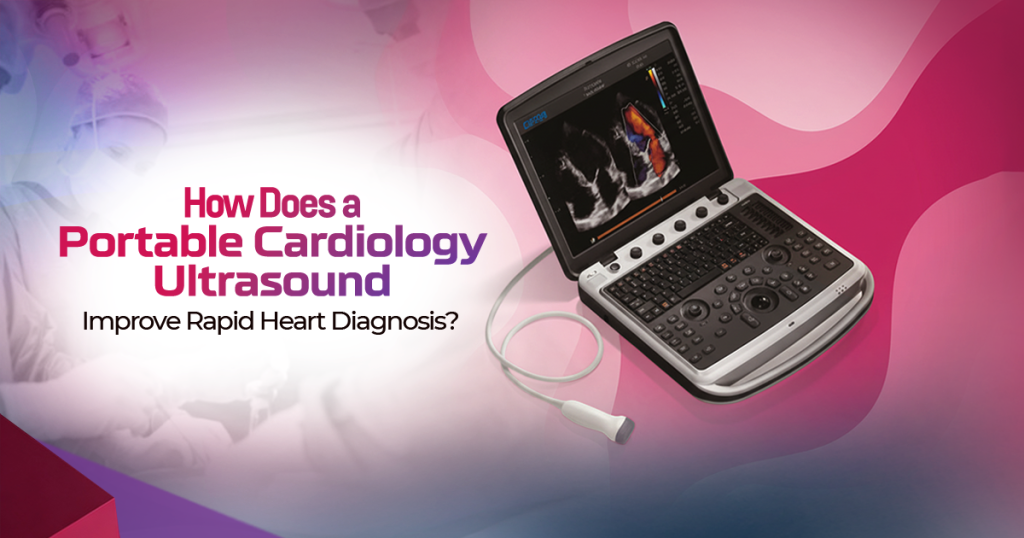
As the symptoms are not felt deeply or are intermittent, detecting them early requires innovative cardiology monitoring devices. The signs reported by the patients alone won’t be enough.
The Role Of Modern Cardiology Monitors In Detecting Arrhythmias Early
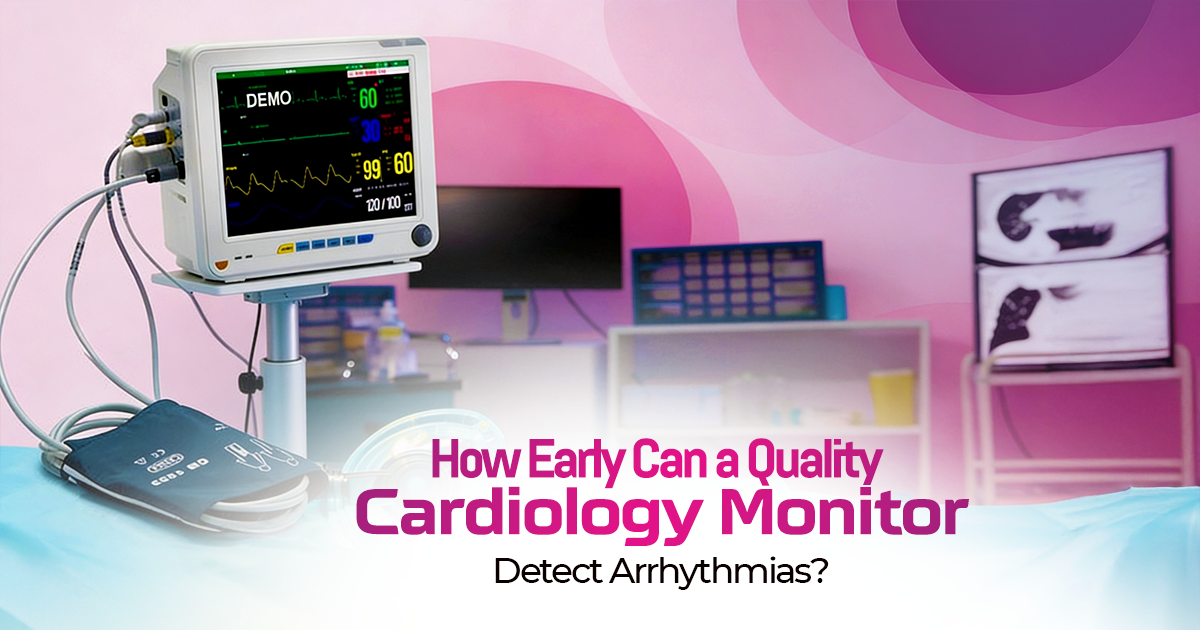
An advanced cardiology monitor of great quality can detect irregular heartbeats the moment they occur. Instead of depending on the standard ECG tests that can only capture a short snapshot of the heart activity, modern cardiac devices can monitor continuously for a long time. Depending on the type of device, arrhythmias can be detected:
- Within minutes of the beginning of an abnormal heart rhythm.
- While performing daily activities such as working out or sleeping.
- Long before external symptoms develop.
Early detection of these issues is very important for starting preventative care instead of reactive care.
Main Factors That Help To Detect Arrhythmias Early
Cardiac monitoring devices of good quality are built with advanced capabilities that allow them to detect irregularities early. Some of them involve:
Continuous monitoring: Heart activity can be monitored over extended periods of time. This allows the machine to capture abnormal events that only happen sporadically.
Increased signal accuracy: The smallest of electrical changes in the heart can be detected.
Automatic analysis of rhythms: Irregular patterns are identified without manual assistance or interpretation.
Real-time alerts: When irregular rhythms are captured, the hospital clinicians are notified on the spot.
All these features make sure that even the smallest and shortest of changes don’t go unnoticed.
Importance Of Patient Comfort
Cardiac detection monitors that are light and comfortable to use can encourage patients to comply with the diagnosis process. As the machines allow the patients to move freely and perform their daily activities without any restrictions, irregular heartbeats caused by stress, physical activity, sleep patterns, etc. can be detected properly. The diagnostic data will be more accurate this way, improving treatment planning.
What This Means For Cardiac Health
Technologically advanced cardiology monitors are now able to detect arrhythmias at their earliest stages, even before the symptoms appear. With longer monitoring hours, accurate data analysis, and real-time alerts, devices like this are very useful in proactive cardiac care. Always source from a trusted medical equipment supplier in Dubai for machines of the highest quality.