What helps medical teams perform surgical procedures with greater precision and confidence? Along with skilled medical professionals, hospitals need quality instruments and dependable equipment to meet the demands of modern healthcare. As medical technology continues to evolve, hospitals and clinics are looking for quality instruments, improved equipment options, and suppliers who understand their clinical requirements. This has made surgical instrument suppliers in Dubai an important part of the healthcare supply chain. Their role extends beyond product delivery to supporting informed purchasing decisions and efficient medical operations. Medicare helps healthcare facilities explore surgical instruments and equipment suited to their needs.
Providing a Wider Range of Surgical Instruments
Every healthcare facility has its own equipment requirements, depending on the procedures it performs and the needs of its medical team. Suppliers are meeting these demands by offering a range of surgical instruments and operating theatre equipment in one place.
Common surgical instruments and equipment include:
Electric and Manual OT Tables: Support patient positioning during surgical procedures.
Anaesthesia Machines: Help deliver and manage anaesthesia under qualified medical supervision.
Operating Microscopes: Provide magnified views for delicate surgical procedures.
Ceiling Mounted and Wall Mounted Lights: Provide illumination for different operating theatre setups.
Theatre Light Mobile: Offers flexible lighting that can be repositioned when required.
Portable Ventilators: Support patients who require mechanical ventilation.
Electrosurgical Units: Use electrical energy for tissue cutting and coagulation.
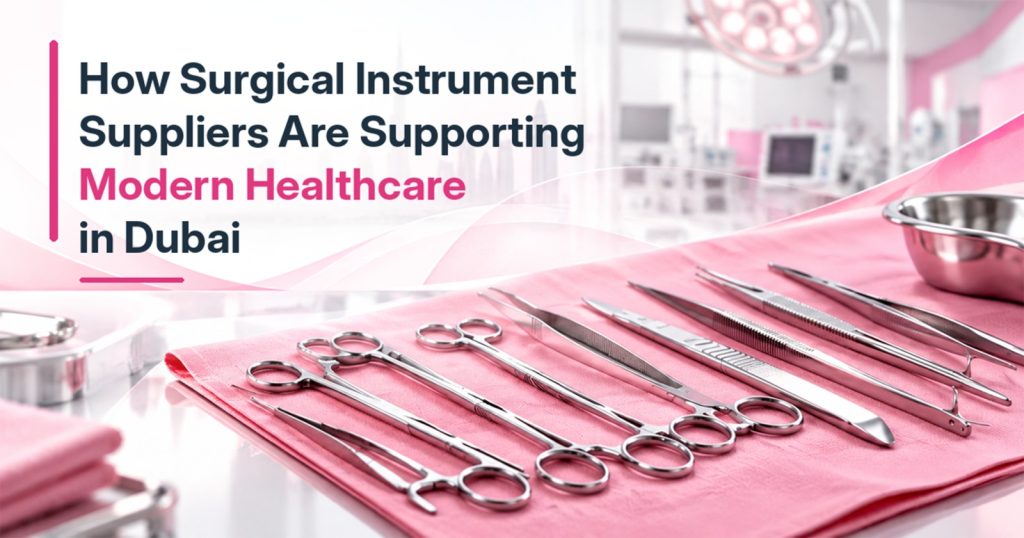
Surgical Instruments: Include specialised tools used during different procedures.
Theatre Uniforms: Provide appropriate attire for surgical environments.
Focusing on Precision, Quality, and Patient Safety
Surgical tools must function consistently in order to facilitate correct procedures and safe patient treatment. Their design, substance, and condition can all influence how well medical professionals handle them. Therefore, healthcare facilities should prioritize quality when purchasing surgical instruments and medical equipment.
Here are a few factors to consider when selecting surgical supplies:
Material quality: Instruments should be made from suitable materials that withstand their intended use and required sterilisation processes.
Design and handling: Comfortable grips, proper balance, and easy handling help medical professionals work efficiently.
Durability: Reusable instruments should withstand repeated use and reprocessing according to manufacturer instructions.
Product documentation: Clear specifications, operating instructions, and quality certificates help buyers evaluate products.
Safety compliance: Equipment should meet applicable regulatory requirements and relevant safety standards.
Improving Product Availability and Supply Efficiency
A healthcare facility needs more than high-quality instruments. It also needs supplies to arrive when required. Delays in obtaining essential equipment can complicate procurement schedules, affect procedure planning, and create additional work for hospital administrators. This makes dependable medical supply chains an important part of modern healthcare operations.
Suppliers can help healthcare facilities manage procurement by offering:
Product variety: Availability of many instrument types and auxiliary tools.
Clear product specifications: Information that helps buyers compare options before making a decision.
Responsive communication: Timely answers to questions about availability, pricing, and product suitability.
Order coordination: Clear communication about delivery schedules and purchasing requirements.
After-sales assistance: Guidance on equipment support, maintenance arrangements, and product-related concerns where available.
Choosing Surgical Equipment That Meets Your Needs
Comparing costs is only one aspect of choosing surgical equipment. Hospitals and clinics must consider their clinical requirements, available space, equipment features, and long-term maintenance needs. A suitable choice helps medical teams work efficiently while ensuring the equipment fits their intended applications. Before purchasing surgical instruments or operating theatre equipment, healthcare facilities should consider the following factors:
Clinical requirements: Identify the instruments and equipment needed for your medical speciality and daily procedures.
Equipment features: Compare adjustment options, lighting performance, ease of operation, and other relevant specifications.
Space and compatibility: Ensure equipment fits the operating theatre layout and works with existing systems where necessary.
Maintenance and servicing: Check warranty terms, servicing arrangements, and the availability of technical support.
Budget planning: Consider the purchase price alongside maintenance costs and expected equipment lifespan.
Maintaining Surgical Equipment for Long-Term Use
Frequent maintenance reduces unplanned disruptions and keeps surgical equipment in appropriate operating condition. Healthcare facilities should set up regular equipment checkups and adhere to manufacturer specifications.
Important maintenance procedures consist of:
- Frequent inspections of equipment
- Scheduled technical servicing
- Appropriate sanitization and cleaning
- Equipment handling training for employees
- Records of maintenance and repairs
- Replacing worn Components on Time
Modern Equipment for Efficient Surgical Procedures
Modern operating rooms require appropriate equipment to facilitate surgical procedures and meet the needs of medical professionals. From OT tables and anaesthesia machines to surgical lights and precision instruments, each product plays a specific role in the surgical environment. Hospitals and clinics must consider product features, quality standards, and maintenance requirements when planning their equipment purchases. Medicare provides a variety of medical equipment and surgical tools to meet various healthcare requirements. Its product range gives healthcare facilities options to explore for their departments, helping them identify equipment that aligns with their clinical requirements and supports efficient operating theatre operations.